
Understanding the Massage Roller
In today’s fast-paced world, physical stress, muscle tension, and discomfort have become common challenges. Whether you’re an athlete, office worker, or fitness enthusiast, maintaining muscle health and flexibility is crucial. This is where the massage roller comes into play.
A massage roller is more than just a simple fitness tool—it’s a versatile device designed to relieve muscle tension, improve circulation, and accelerate recovery. The beauty of the massage roller lies in its accessibility. Unlike spa treatments or massage therapies that can be costly and time-consuming, a massage roller allows you to experience professional-level relief at home.
In this guide, we will explore everything you need to know about massage rollers—from their types and benefits to proper usage techniques and safety precautions. By the end of this article, you will understand how a massage roller can transform your fitness routine and overall well-being.
What is a Massage Roller?
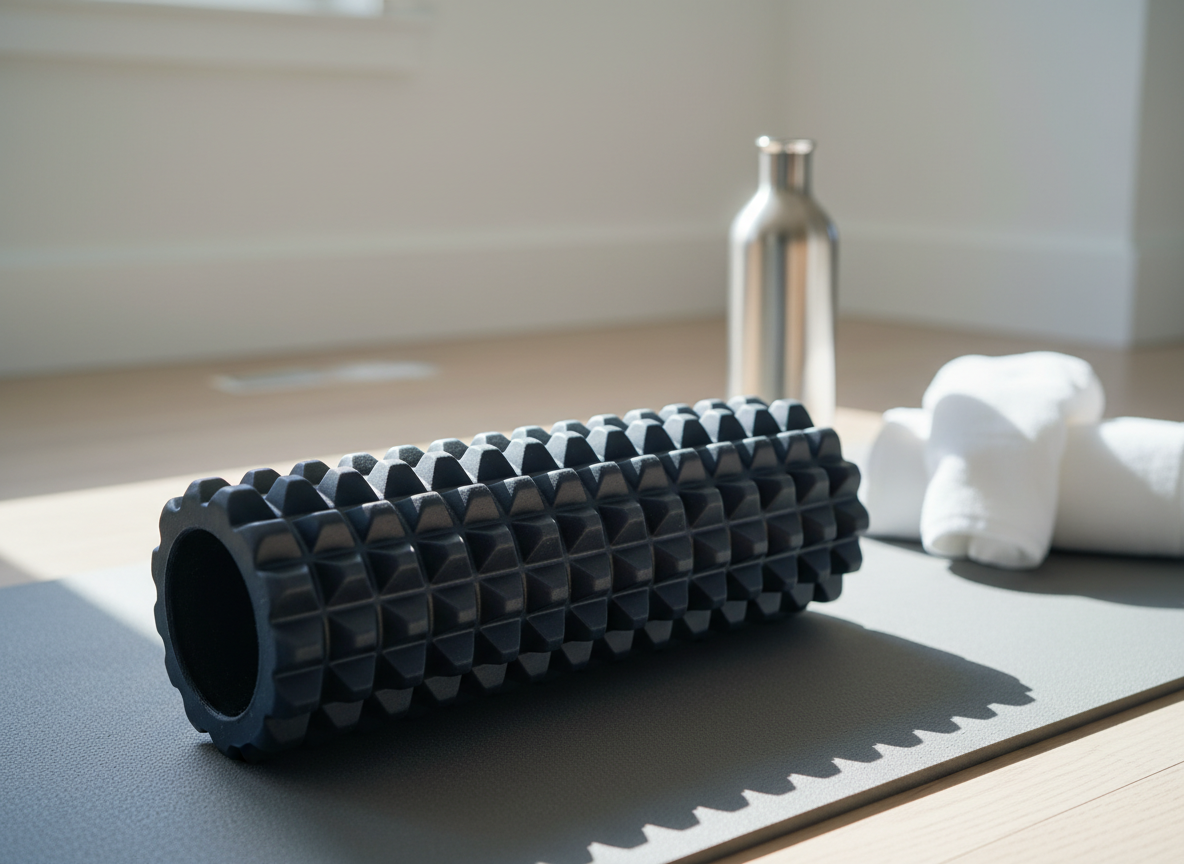
A massage roller, also known as a foam roller or myofascial roller, is a cylindrical device made of foam, rubber, or other durable materials designed for self-massage. It works on the principle of self-myofascial release (SMR), a technique aimed at relieving tension in the fascia—the connective tissue surrounding muscles.
Massage rollers help reduce muscle stiffness, increase blood flow, and release trigger points (knots) in the muscles. They come in a variety of sizes, textures, and densities to suit different fitness levels and body types.
Types of Massage Rollers
Massage rollers are available in several types, each designed to target specific needs. Understanding the differences can help you choose the best roller for your goals.
Foam Rollers
Foam rollers are the most common type and are usually made of high-density foam. They are ideal for beginners and those seeking general muscle relief. Smooth foam rollers provide uniform pressure, while textured foam rollers offer deeper stimulation.
Spiky or Textured Rollers
These rollers have raised knobs or ridges to simulate a deep tissue massage. They are highly effective for breaking up muscle knots, improving circulation, and relieving chronic tension.
Vibrating Rollers
Vibrating rollers combine traditional rolling with vibration therapy. The vibrations penetrate deep into muscles, providing faster relaxation and pain relief. They are particularly popular among athletes for post-workout recovery.
Mini and Travel Rollers
Mini rollers are compact and portable, making them perfect for targeting small muscle groups like calves, arms, or feet. Travel rollers are ideal for people who want to maintain their muscle health while on the go.
Benefits of Using a Massage Roller
Massage rollers offer a wide array of benefits for both fitness enthusiasts and individuals seeking relief from muscle pain.
Muscle Recovery and Pain Relief
One of the primary advantages of a massage roller is accelerated muscle recovery. Rolling over tight muscles helps release tension and reduces delayed onset muscle soreness (DOMS) after workouts. It is especially beneficial for athletes and individuals with physically demanding jobs.
Improving Flexibility and Range of Motion
Using a massage roller consistently can improve flexibility and increase joint range of motion. The pressure applied during rolling helps elongate tight muscles and release stiffness in connective tissues, allowing for smoother and more fluid movements.
Stress Reduction and Relaxation
Massage rollers promote relaxation by stimulating the nervous system and reducing muscle tension. This leads to lower stress levels and improved mental well-being, making rolling an excellent tool for both body and mind.
Boosting Circulation and Blood Flow
The rolling motion of a massage roller increases blood flow to the muscles. Enhanced circulation delivers essential nutrients and oxygen to muscle tissues, speeding up recovery and reducing inflammation.
How to Use a Massage Roller Correctly
To maximize the benefits of a massage roller, it’s important to use it correctly. Improper use can lead to discomfort or even injury.
Preparing Your Body
-
Warm Up: Engage in light cardio or stretching to increase blood flow before using the roller.
-
Target Specific Muscles: Focus on areas that feel tight or sore.
Targeted Rolling Techniques
-
Slow and Controlled: Move the roller slowly over the muscle, spending 30–60 seconds on tight spots.
-
Moderate Pressure: Apply firm but tolerable pressure to avoid bruising or pain.
-
Breathe Deeply: Inhale and exhale slowly to promote relaxation and enhance effectiveness.
Common Mistakes to Avoid
-
Rolling over joints or bones
-
Using excessive force, causing muscle strain
-
Rushing through the rolling process
-
Neglecting hydration, which is essential for fascia health
Massage Roller for Different Body Parts
Different body parts require different techniques and rollers for optimal results.
Back
Place the roller under your upper back and slowly roll from your shoulders to the mid-back. Avoid rolling directly on the spine.
Legs (Hamstrings, Quads, Calves)
For the hamstrings, sit on the floor and roll from the back of the knees to the glutes. For quads, lie face down and roll from hips to knees. Calves can be massaged by sitting on the floor and rolling from ankles to knees.
Shoulders and Neck
Use a mini or soft roller to gently massage tight shoulders and neck. Focus on the trapezius and neck muscles while avoiding the spine.
Feet
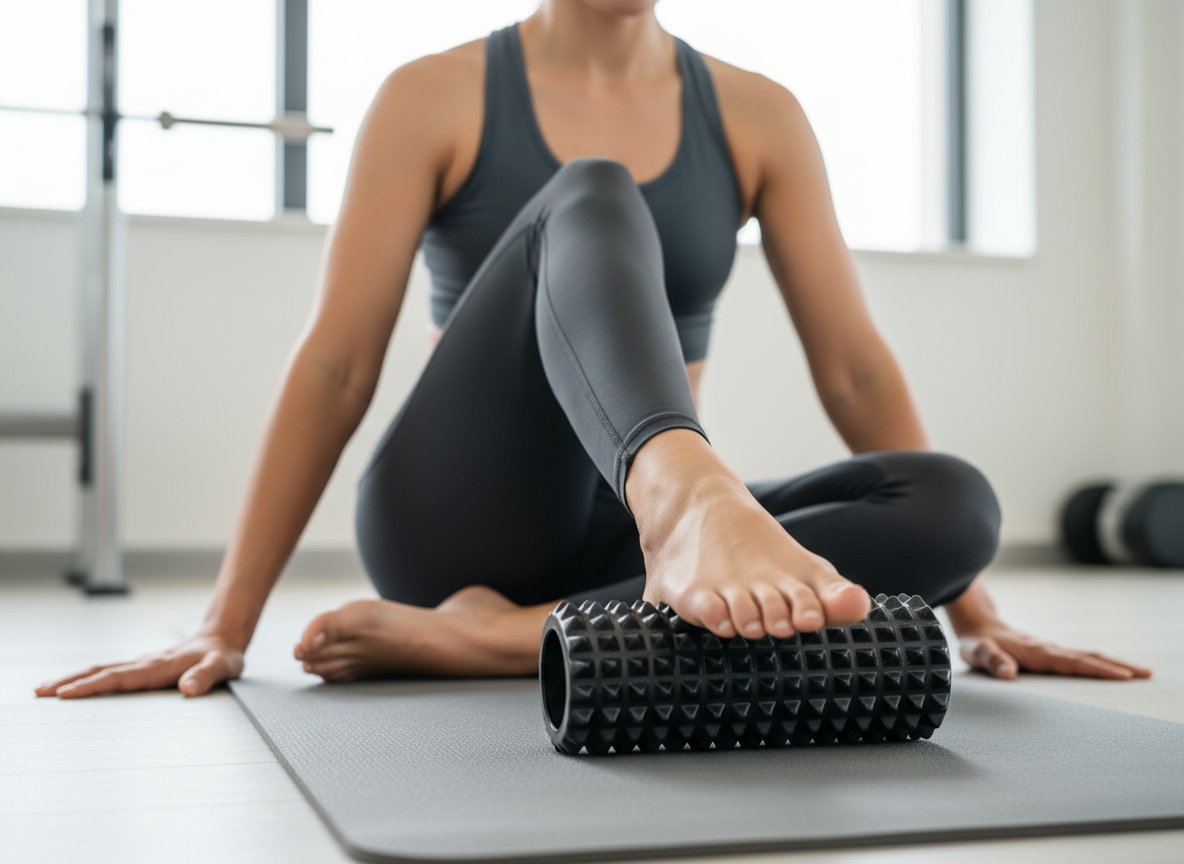
A mini roller or massage ball can relieve foot tension and plantar fasciitis. Roll the sole of the foot slowly, applying moderate pressure.
Choosing the Right Massage Roller for You

Selecting the right massage roller depends on several factors.
Consider Your Experience Level
-
Beginners: Soft or medium-density foam rollers
-
Intermediate: Textured or medium-firm rollers
-
Advanced: High-density or vibrating rollers
Material and Firmness
High-density foam provides deeper pressure, while softer foam is gentler on sensitive muscles. Textured rollers target knots more effectively.
Size and Portability
Full-size rollers are suitable for large muscle groups, while mini and travel rollers are ideal for small areas and portability.
Budget Considerations
Massage rollers range from budget-friendly options to premium vibrating models. Choose one that balances quality, durability, and cost.
Massage Roller Exercises and Techniques
Using a massage roller with proper exercises enhances its effectiveness.
Foam Rolling Routine for Athletes
-
Upper back: 1–2 minutes
-
Quads: 1–2 minutes
-
Hamstrings: 1–2 minutes
-
Calves: 1–2 minutes
Stretch and Roll Combo
Combine foam rolling with stretching for deeper muscle relaxation. Roll a muscle for 30 seconds, then stretch it for 15–30 seconds. Repeat for optimal results.
Self-Myofascial Release (SMR) Techniques
SMR involves applying pressure to trigger points to release tension. Focus on sore or tight areas, holding pressure for 20–30 seconds before moving.
Massage Roller Safety Tips
-
Avoid rolling over injured areas without consulting a professional
-
Do not apply excessive pressure
-
Start with short sessions and gradually increase duration
-
Stay hydrated to support muscle recovery
Conclusion
A massage roller is an essential tool for anyone seeking muscle relief, flexibility, and overall wellness. Whether you’re recovering from intense workouts, managing chronic muscle tension, or simply looking to enhance your fitness routine, a massage roller offers a practical, cost-effective solution.
By understanding the types, benefits, and techniques outlined in this guide, you can choose the right roller and use it safely for maximum results. Incorporate massage rolling into your daily routine, and experience improved circulation, reduced muscle soreness, and enhanced relaxation.
FAQs About Massage Rollers
Q1: How often should I use a massage roller?
A: For most people, 3–5 times per week is ideal. Beginners can start with shorter sessions and gradually increase frequency.
Q2: Can massage rollers help with back pain?
A: Yes, when used properly, massage rollers can relieve tension and stiffness in the back muscles, improving posture and reducing discomfort.
Q3: Is it normal to feel sore after using a massage roller?
A: Mild soreness is normal, especially if you’re new to foam rolling. It usually subsides within 24 hours.
Q4: Can children use massage rollers?
A: Yes, but it’s recommended to use soft rollers and supervise them to prevent injury.
Q5: Do I need to warm up before using a massage roller?
A: Yes, a brief warm-up improves blood flow and enhances the effectiveness of rolling.
Q6: What is the difference between foam rollers and vibrating rollers?
A: Vibrating rollers provide additional deep tissue stimulation and faster muscle relaxation compared to traditional foam rollers.
Q7: Can massage rollers prevent injuries?
A: While they cannot fully prevent injuries, regular rolling