
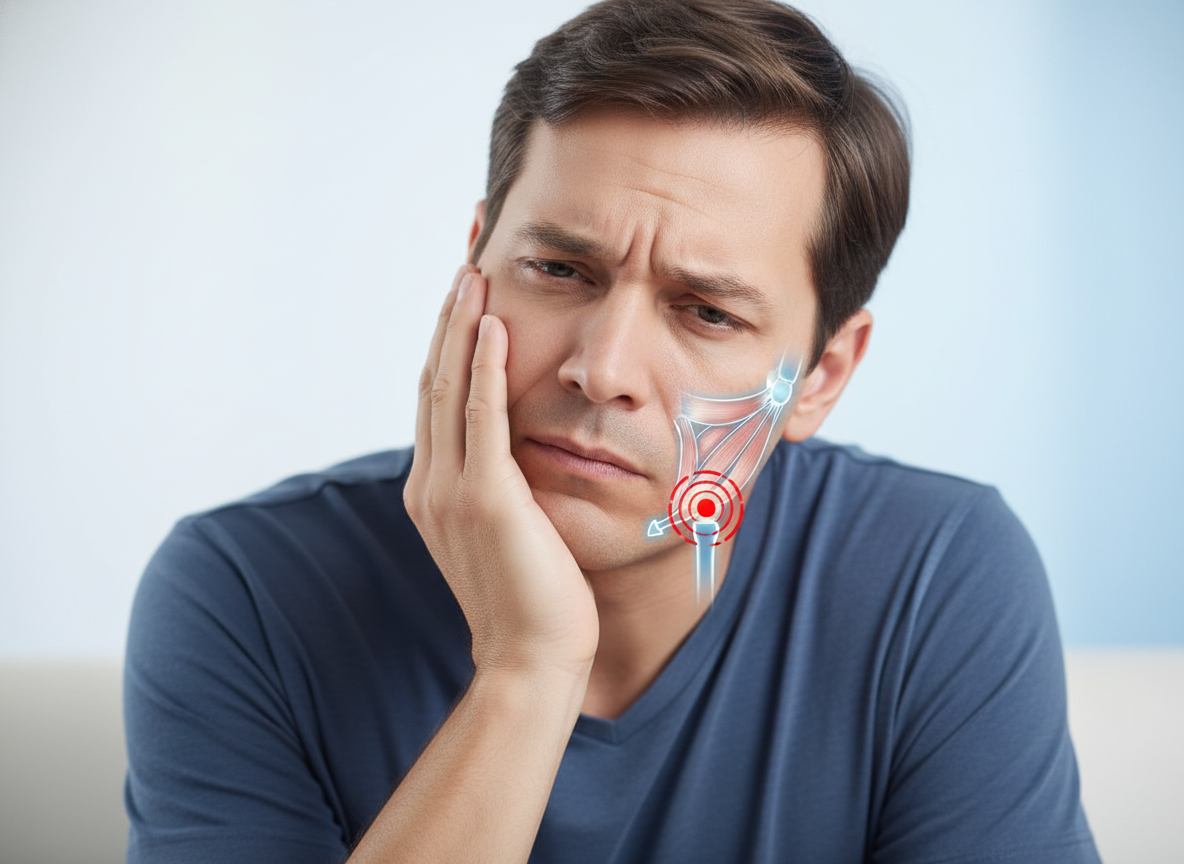
Jaw pain is a common problem that affects millions of people worldwide. Whether it is a dull ache, sharp stabbing sensation, or soreness in your jaw muscles, the pain can interfere with everyday activities like eating, talking, and even sleeping. Many individuals often wonder: “why does my jaw hurt?” or more specifically, “why does my jaw hurt on one side?” Understanding the underlying causes of jaw pain is crucial to finding effective treatments and preventing long-term complications.
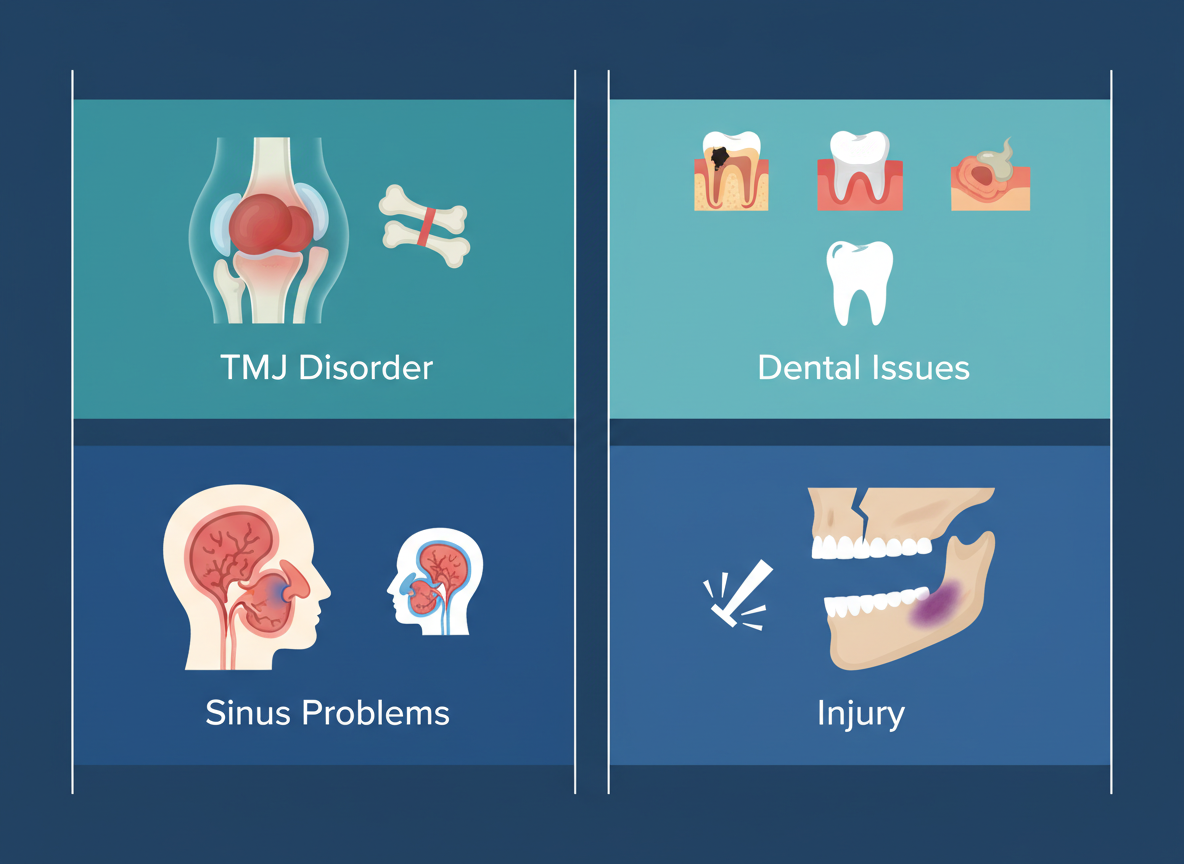
Jaw pain can arise from a variety of factors including dental issues, temporomandibular joint (TMJ) disorders, trauma, sinus infections, stress, and even heart-related problems. In some cases, pain on one side of the jaw may signal a more serious medical condition that requires immediate attention. This comprehensive guide will explore the causes, symptoms, diagnosis, treatment options, and preventive strategies for jaw pain, helping you make informed decisions about your health.
By the end of this article, you will have a clear understanding of why your Why Does My Jaw Hurt, the difference between general jaw pain and pain localized to one side, and practical steps to alleviate discomfort.
Common Causes of Jaw Pain
Jaw pain can originate from multiple sources. Understanding these causes is the first step in identifying the best course of action.
Temporomandibular Joint Disorders (TMJ/TMD)
One of the most common reasons for jaw pain is a disorder affecting the temporomandibular joint (TMJ). The TMJ connects your jawbone to your skull and allows for smooth movement while talking, chewing, and yawning. Disorders in this joint, often referred to as TMD (temporomandibular disorders), can result in:
-
Pain or tenderness in the jaw joint
-
Difficulty opening or closing the mouth
-
Clicking, popping, or grinding noises
-
Headaches and ear pain
TMJ disorders can be caused by injury, arthritis, or excessive stress leading to jaw clenching and teeth grinding (bruxism).
Dental Issues
Dental problems are another leading cause of jaw pain. Common dental-related causes include:
-
Tooth decay and cavities: Deep decay can cause severe why does my jaw hurt discomfort, especially when biting or chewing.
-
Gum disease (gingivitis or periodontitis): Infections in the gums can radiate pain to the jaw.
-
Impacted wisdom teeth: These can put pressure on the jawbone, leading to pain and swelling.
Regular dental check-ups are essential for preventing dental-related jaw pain.
Injury or Trauma
Trauma to the Why Does My Jaw Hurt, such as fractures, dislocations, or blows to the face, can result in acute jaw pain. Even minor injuries like a sports impact or a fall can affect the TMJ and surrounding muscles, causing prolonged discomfort if not properly treated.
Sinus Problems
Sinus infections or inflammation (sinusitis) can also cause jaw pain. The maxillary sinuses, located behind the cheeks, can become inflamed, creating pressure that radiates to the upper jaw. This is often accompanied by:
-
Nasal congestion
-
Headache
-
Fever
Stress and Teeth Grinding
High levels of stress often lead to teeth grinding or jaw clenching, especially during sleep. This repeated pressure can strain the jaw muscles, cause TMJ disorders, and even lead to headaches. Stress management techniques, such as meditation or counseling, can help alleviate this type of jaw pain.
Why Does My Jaw Hurt on One Side?
Jaw pain localized to one side of the face can be particularly alarming. While sometimes it may be mild, unilateral jaw pain may indicate more serious conditions. Here are the common causes:
Unilateral TMJ Disorders
In some cases, the TMJ on one side may become inflamed or dysfunctional due to injury, uneven chewing habits, or misalignment. This can lead to pain, stiffness, and difficulty moving the jaw on that side, sometimes accompanied by a clicking or popping sound.
Dental Abscesses or Infections
A dental abscess is a painful infection at the root of a tooth or between the gum and tooth. Abscesses often cause severe, throbbing pain on one side of the jaw, swelling, redness, and even fever. Immediate dental attention is essential to prevent the infection from spreading.
Trigeminal Neuralgia
Trigeminal neuralgia is a chronic pain condition affecting the trigeminal nerve, which carries sensation from your face to your brain. This condition causes sharp, electric-shock-like pain on one side of the jaw, face, or teeth. It is often triggered by touching the face, chewing, or speaking.
Heart-Related Pain
Though less common, pain on one side of the jaw can sometimes be a symptom of heart problems, including angina or heart attack, especially in women. This type of jaw pain is usually accompanied by:
-
Chest discomfort or pressure
-
Shortness of breath
-
Sweating or nausea
If you experience sudden jaw pain with these symptoms, seek emergency medical help immediately.
Symptoms to Watch For
Jaw pain can present in various ways. Understanding the symptoms helps differentiate between minor issues and serious conditions:
-
Pain while chewing or opening the mouth
-
Clicking or popping sounds in the jaw
-
Swelling or tenderness near the jaw joint
-
Headaches or migraines
-
Ear pain or ringing in the ears
-
Toothache or gum swelling
-
Pain radiating to the neck, shoulder, or ear
-
Fever or general malaise (if infection-related)
Diagnosis of Jaw Pain
Proper diagnosis is crucial for effective treatment. A doctor or dentist may use the following methods:
-
Physical examination: Checking jaw movement, tenderness, and alignment
-
Dental X-rays: Identify cavities, abscesses, or impacted teeth
-
CT scans or MRI: Evaluate TMJ disorders or jaw injuries
-
Blood tests: Detect infections or inflammatory conditions
-
Neurological assessment: Rule out nerve-related pain such as trigeminal neuralgia
Treatment Options for Jaw Pain
Treatment varies depending on the underlying cause. Below are common approaches:
Home Remedies
For mild jaw pain, the following may help:
-
Cold or warm compresses: Reduce inflammation and ease muscle tension
-
Over-the-counter pain relievers: Ibuprofen or acetaminophen for temporary relief
-
Soft diet: Avoid hard or chewy foods
-
Jaw exercises: Gentle stretching to improve mobility
-
Stress management: Meditation, yoga, or relaxation techniques
Medical Treatments
For persistent or severe jaw pain, a doctor may recommend:
-
Prescription medications for inflammation, muscle relaxation, or neuropathic pain
-
Corticosteroid injections in cases of severe TMJ inflammation
-
Antibiotics if the pain is infection-related
Dental Interventions
Dental causes of jaw pain require targeted treatments:
-
Root canal or extraction: For abscessed or decayed teeth
-
Orthodontic treatment: Correct bite misalignment
-
Night guards: Protect teeth from grinding during sleep
Lifestyle Changes
Long-term management may include:
-
Limiting gum chewing and hard foods
-
Practicing good posture to reduce neck and jaw strain
-
Maintaining oral hygiene to prevent infections
-
Regularly managing stress levels
Preventing Jaw Pain
Prevention strategies include:
-
Routine dental check-ups
-
Avoiding teeth clenching or grinding
-
Using proper posture while working
-
Performing jaw stretches
-
Managing stress and anxiety
-
Wearing protective gear during sports
When to See a Doctor
Seek medical attention if you experience:
-
Severe or worsening jaw pain
-
Pain accompanied by chest discomfort, shortness of breath, or nausea
-
Signs of infection such as swelling, fever, or pus
-
Difficulty opening or closing your mouth
-
Persistent headaches or facial numbness
Early diagnosis is crucial for preventing complications and ensuring effective treatment.
Conclusion
Why Does My Jaw Hurt pain, whether generalized or localized to one side, is a common yet complex issue with multiple possible causes. From TMJ disorders and dental problems to stress, trauma, or even heart-related conditions, understanding the root cause is key to effective treatment.
By recognizing symptoms, seeking timely diagnosis, and applying appropriate treatments, you can manage or eliminate jaw pain, improving both your comfort and quality of life. Remember, jaw pain should never be ignored, especially if it is severe, sudden, or accompanied by other alarming symptoms.
FAQs
Q1: Why does my jaw hurt on one side only?
A1: Jaw pain on one side may result from unilateral TMJ disorder, dental infection, nerve issues like trigeminal neuralgia, or even heart-related conditions. Diagnosis is essential.
Q2: Can stress cause my jaw to hurt?
A2: Yes, stress can lead to teeth grinding and jaw clenching, causing muscle strain and TMJ disorders. Stress management techniques may help.
Q3: Is jaw pain a sign of a heart attack?
A3: Jaw pain can sometimes signal heart problems, especially if accompanied by chest pain, shortness of breath, or nausea. Seek emergency help immediately.
Q4: How can I relieve jaw pain at home?
A4: Apply warm or cold compresses, eat soft foods, use OTC pain relievers, practice jaw stretches, and manage stress to alleviate pain.
Q5: When should I see a dentist for jaw pain?
A5: If the pain is linked to toothache, gum infection, or persists for more than a few days, a dentist should evaluate the cause.
Q6: Can TMJ disorders go away on their own?
A6: Mild TMJ issues may improve with self-care, but chronic or severe cases require medical or dental treatment.
Q7: Are there exercises to prevent jaw pain?
A7: Yes, gentle jaw stretches and exercises can improve mobility and reduce tension. Consult a professional for the correct techniques.