
Dental cavities are among the most common oral health problems worldwide. Many people wonder “what does a cavity look like?” because early detection plays a critical role in treatment and prevention. Cavities, also called dental caries or tooth decay, occur when the hard surfaces of your teeth are damaged due to acid produced by bacteria in the mouth.
Identifying cavities early is crucial because they start small and painless but can progress into more severe problems if untreated. This article will provide a comprehensive guide to understanding cavities, their appearance, symptoms, treatment options, and preventive measures. By the end, you’ll have a clear idea of what a cavity looks like and how to protect your teeth effectively.
What is a Cavity?
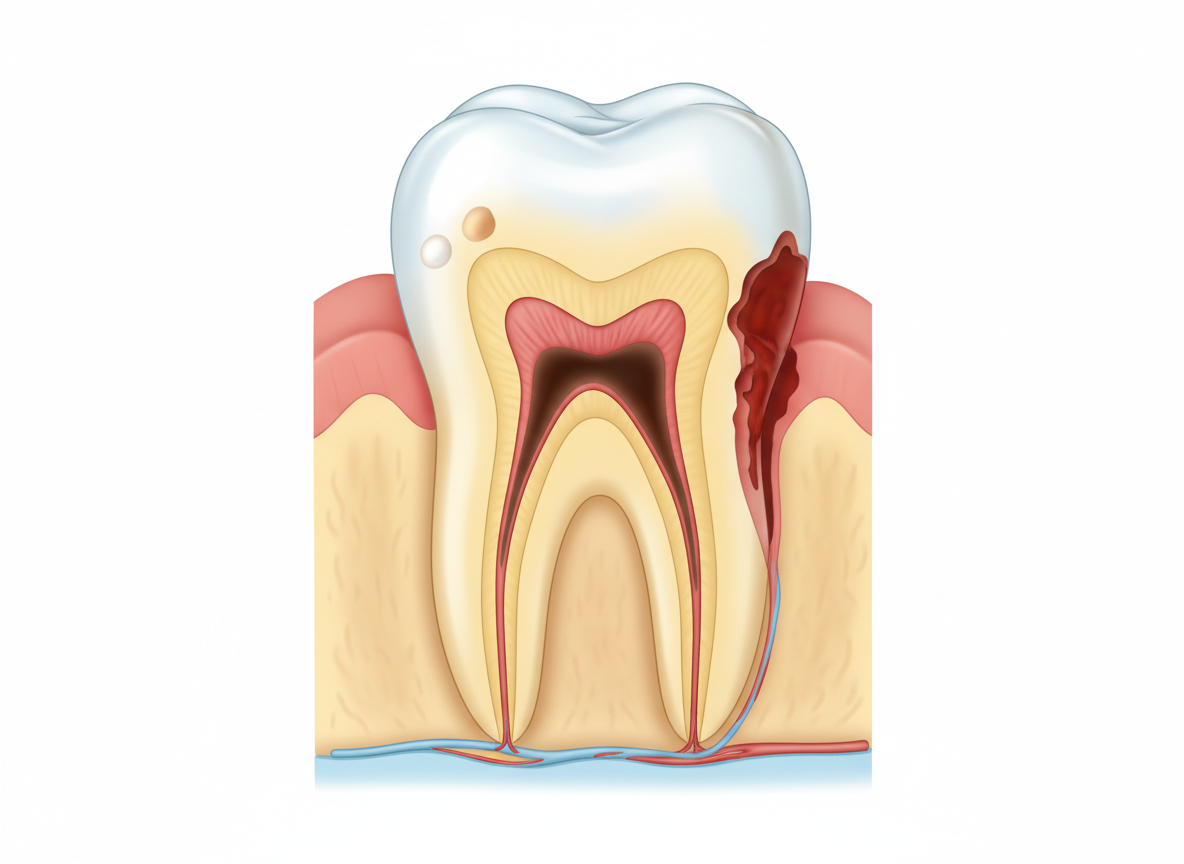
A what does a cavity look like is essentially a hole or decay in a tooth caused by bacterial activity. The bacteria feed on sugars and starches left in your mouth from foods and drinks, producing acids that wear down tooth enamel over time. This decay can penetrate deeper layers of the tooth if not addressed promptly.
Dental cavities can vary in size, location, and severity. They are usually classified based on the depth and area affected:
-
Enamel cavity: Affects only the outer layer of the tooth.
-
Dentin cavity: Penetrates the softer layer beneath enamel.
-
Pulp cavity: Reaches the innermost part, causing pain and infection.
Causes of Cavities
Understanding the causes of cavities helps in preventing them. Common causes include:
-
Poor Oral Hygiene: Not brushing or flossing properly allows plaque buildup.
-
High Sugar Intake: Sugary foods and drinks feed harmful bacteria.
-
Dry Mouth: Saliva neutralizes acids, so less saliva increases decay risk.
-
Genetics: Some people have naturally weaker enamel.
-
Frequent Snacking: Constant snacking keeps the mouth acidic, accelerating decay.
What Does a Cavity Look Like?
Cavities progress in stages, and their appearance changes over time. Understanding these visual cues can help you identify issues early.
Early Stage Cavities
Early cavities are often not visible to the naked eye but may appear as:
-
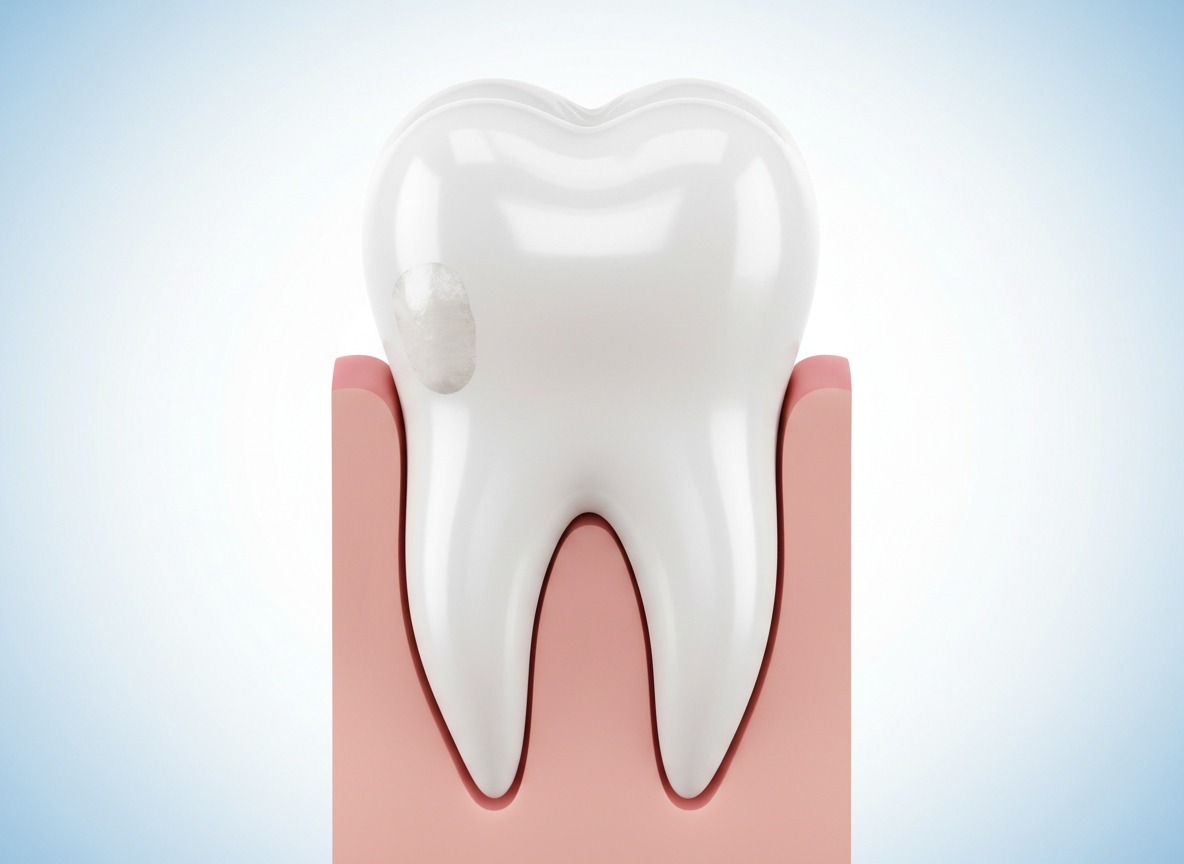
White spots: Areas of enamel demineralization, usually near the gum line or in between teeth.
-
Slight discoloration: Light brown or yellowish tints.
At this stage, cavities are easier to reverse with fluoride treatments and proper oral care.
Advanced Cavities
As cavities worsen, they become more noticeable. Signs include:
-
Dark brown or black spots: Typically on the chewing surface of molars or between teeth.
-
Visible holes: Small pits or indentations on the tooth surface.
-
Tooth sensitivity: Pain when eating sweet, hot, or cold foods.
Pro Tip: Cavities often start in hard-to-see areas, such as between teeth or under fillings, so regular dental checkups are essential.
Visual Differences Based on Tooth Type
Cavities can look different depending on which teeth are affected:
-
Front Teeth:
-
Typically show discoloration (white, brown, or black).
-
Holes may be less noticeable due to smaller surface area.
-
-
Molars (Back Teeth):
-
Deep pits and grooves make molars more prone to cavities.
-
Visible holes and dark spots are more common.
-
-
Premolars:
-
Cavities often occur on the biting surfaces.
-
Can appear as small brown dots or depressions.
-
Symptoms Associated With Cavities
Not all cavities are visible immediately, but common symptoms may include:
-
Tooth sensitivity: Pain when consuming hot, cold, or sweet foods.
-
Toothache: Persistent pain in the affected tooth.
-
Bad breath: Caused by bacterial activity in the what does a cavity look like.
-
Discoloration: White, brown, or black spots.
-
Visible holes: Small pits in teeth.
Early detection can prevent cavities from progressing into painful infections or tooth loss.
How Dentists Detect Cavities
Dentists use several methods to detect cavities, even before they become visible:
-
Visual Examination: Dentists check for discoloration or visible holes.
-
Dental X-Rays: Reveal cavities between teeth or under fillings.
-
Dental Probes: Gentle probing to detect soft spots or pits.
Preventing Cavities
Oral Hygiene Practices
Maintaining oral hygiene is key to preventing cavities:
-
Brush teeth twice daily with fluoride toothpaste.
-
Floss daily to remove plaque between teeth.
-
Use an antibacterial mouthwash.
Dietary Recommendations
Certain foods increase the risk of cavities. To reduce risk:
-
Limit sugary and acidic foods.
-
Eat calcium-rich foods like cheese and yogurt.
-
Drink plenty of water to wash away food particles.
Regular Dental Checkups
Professional cleaning and examination are essential. Dentists can:
-
Detect cavities early.
-
Apply fluoride treatments.
-
Recommend dental sealants for children or high-risk adults.
Treatment Options for Cavities
Treatment depends on what does a cavity look like severity:
Fillings
-
Most common treatment for small to moderate cavities.
-
Dentist removes decayed tissue and fills the tooth with composite resin, amalgam, or gold.
Crowns
-
Used for severe decay.
-
Covers the entire tooth to restore shape and function.
Root Canals
-
Necessary if decay reaches the pulp.
-
Removes infected tissue and seals the tooth.
Extraction
-
For extremely damaged teeth that cannot be saved.
-
Followed by implants or bridges to restore function.
Common Myths About Cavities
-
Myth: Cavities only affect children.
Truth: Adults can also develop cavities, especially around fillings or gum line. -
Myth: Sugar alone causes cavities.
Truth: Poor oral hygiene and bacteria play a larger role. -
Myth: You can see cavities immediately.
Truth: Early-stage cavities are often invisible without a dentist.
Conclusion
Understanding what a cavity looks like is crucial for maintaining oral health. Cavities start as small, often invisible, spots but can develop into painful, visible holes in your teeth if ignored. Maintaining good oral hygiene, a healthy diet, and regular dental visits are key to preventing cavities. Early detection allows for less invasive treatments and protects your teeth for a lifetime.
FAQs
1. Can cavities heal on their own?
-
Early-stage cavities may remineralize with fluoride treatments and proper oral care. Advanced cavities need professional treatment.
2. How quickly do cavities develop?
-
Cavities can develop over months to years depending on oral hygiene and diet.
3. Are cavities painful?
-
Not always. Early cavities may be painless, while advanced cavities can cause severe toothache.
4. Can I prevent cavities naturally?
-
Yes, by reducing sugar intake, brushing twice daily, flossing, and drinking water regularly.
5. Do all cavities require fillings?
-
Not necessarily. Only cavities that progress beyond early enamel damage usually need fillings.
6. Can cavities appear between teeth?
-
Yes, cavities can form in hard-to-see areas between teeth, often requiring X-rays for detection.