

Have you ever taken a bite of your favorite meal, only to feel that everything tastes unusually salty? This strange phenomenon can be unsettling and may even interfere with your daily enjoyment of food. While a mildly salty taste in certain foods is normal, consistently tasting salt in all foods and drinks may indicate an underlying health issue or a lifestyle factor affecting your sense of taste.
Why does everything taste salty? The answer is multifaceted, involving everything from taste bud sensitivity and oral health to diet, medication, and medical conditions. Understanding why this happens is essential not only for improving taste perception but also for identifying potential health concerns.
In this article, we will explore the common causes, medical explanations, lifestyle factors, and remedies for a salty taste in the mouth. By the end, you will have a clearer understanding of what might be causing this issue and how to restore your normal taste.
The Science of Taste
The human tongue is equipped with taste buds, small sensory organs that detect five primary tastes: sweet, sour, bitter, salty, and umami. Each taste bud contains gustatory cells that transmit signals to the brain, allowing us to perceive flavors.
Salty taste is detected by the presence of sodium ions in food. While salt is essential for maintaining electrolyte balance in the body, an overactive response or heightened sensitivity of taste buds can make foods taste excessively salty, even if they are not.
The Role of Salt in Taste Perception
Salt enhances flavor and is crucial for proper nerve and muscle function. However, when your body or taste buds signal an exaggerated response to sodium, normal foods can Why Does Everything Taste Salty. This can be temporary, such as after dehydration, or persistent, indicating an underlying condition.
Dehydration and Dry Mouth
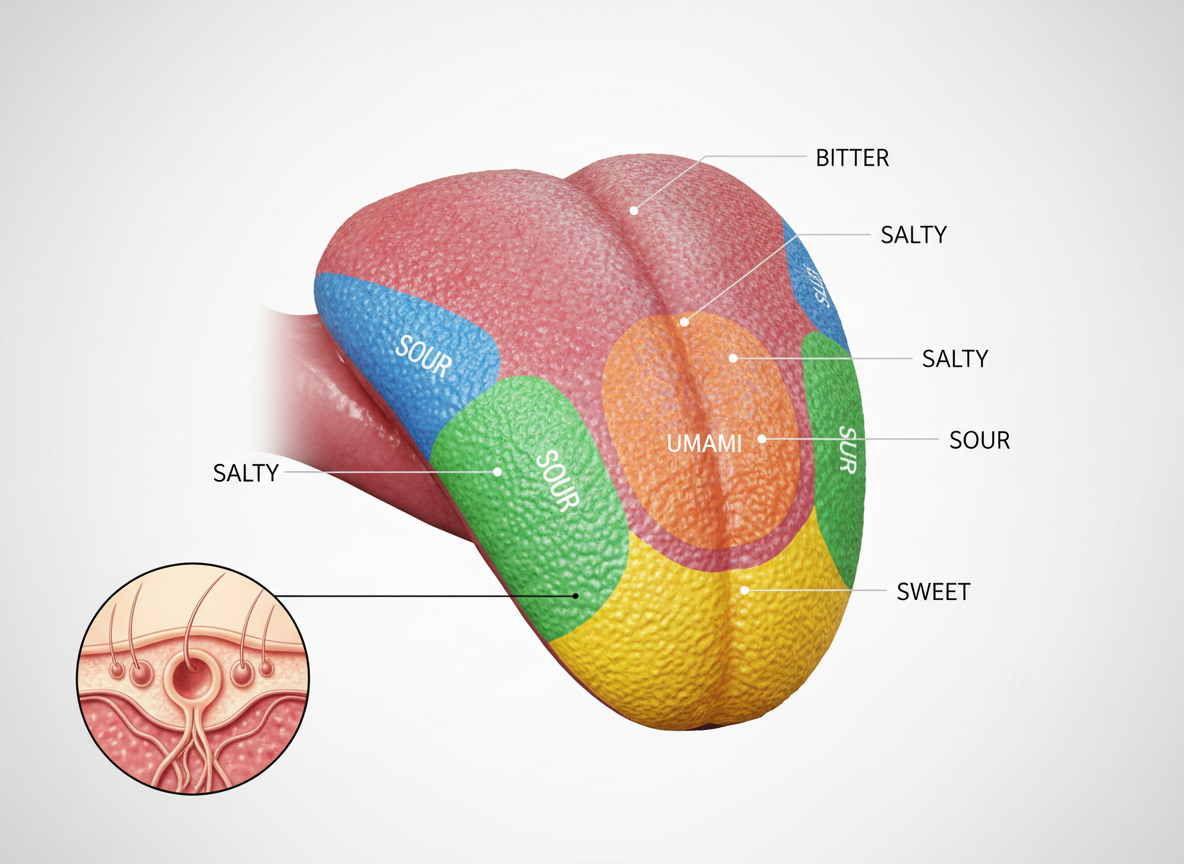
One of the most common reasons for everything tasting salty is dehydration. When your body lacks sufficient water, saliva production decreases, leading to a dry mouth. Saliva usually helps neutralize the taste of foods, and a deficiency can make the natural salts in your mouth more noticeable.
Symptoms of dehydration-induced salty taste include:
-
Dry lips and mouth
-
Increased thirst
-
Fatigue
-
Headaches
Solution: Drink at least 8–10 glasses of water daily and consider electrolyte drinks if dehydration is severe.
Poor Oral Hygiene
Bacteria buildup in the mouth due to poor oral hygiene can alter taste perception. Plaque, gum disease, and cavities can all contribute to a persistent salty taste.
Tips to improve oral hygiene:
-
Brush twice daily with fluoride toothpaste
-
Floss daily to remove trapped food particles
-
Use an antibacterial mouthwash
Medication Side Effects
Certain medications can affect taste, making foods taste unusually salty. Common culprits include:
-
Antibiotics
-
Diuretics (used for blood pressure)
-
Chemotherapy drugs
-
Antidepressants
If you recently started a new medication and notice a persistent salty taste, consult your doctor before making any changes.
Illnesses and Medical Conditions
Respiratory Infections
Respiratory conditions like cold, sinus infection, or flu can cause a salty taste. Congestion and mucus buildup may interfere with taste buds, making even normal foods Why Does Everything Why does everything why does everything taste salty.
Gastroesophageal Reflux Disease (GERD)
GERD causes stomach acid to flow back into the esophagus and sometimes reach the mouth. This acid can mix with saliva, producing a salty or sour taste.
Symptoms include:
-
Heartburn
-
Acidic regurgitation
-
Difficulty swallowing
Zinc Deficiency
Zinc is essential for the maintenance of taste buds. A deficiency can lead to taste disorders, including dysgeusia, where foods Why Does Everything Taste Salty, metallic, or bitter.
Sources of zinc:
-
Meat
-
Shellfish
-
Nuts and seeds
-
Whole grains
Diabetes
High blood sugar levels can impact saliva composition, causing a why does everything taste salty. Additionally, diabetes may contribute to dry mouth, further amplifying this symptom.
Lifestyle Factors Contributing to Salty Taste
High Sodium Diet
A diet rich in processed foods, canned soups, and salty snacks can temporarily adjust tast perception, making other foods tast unusually salty. Reducing sodium intake may help restore normal taste.
Smoking and Alcohol
Tobacco and alcohol can damage tast buds over time, causing persistent salty or metallic tastes. Reducing or quitting these substances can improve taste perception within weeks to months.
Stress and Fatigue
Chronic stress and fatigue affect the nervous system, including the nerves responsible for taste. Hormonal changes during stress may also alter saliva composition, leading to a salty tast.
When to Worry: Signs of Serious Conditions
While occasional Why does everything taste salt is often harmless, persistent changes in taste may indicate serious health issues. Seek medical attention if you experience:
-
Sudden, severe Why does everything taste salt without dietary cause
-
Persistent dry mouth or excessive thirst
-
Unexplained weight loss
-
Swallowing difficulties
-
Signs of infection, such as fever or congestion
These symptoms may point to thyroid disorders, neurological conditions, or metabolic diseases.
How to Restore Normal Taste
Home Remedies
-
Stay Hydrated: Drink water regularly to flush excess salts from the mouth.
-
Salt-Free Oral Rinse: Use a baking soda rinse to neutralize mouth salts.
-
Chew Sugar-Free Gum: Stimulates saliva production.
-
Oil Pulling: Swish coconut or sesame oil to reduce bacterial buildup.
Dietary Adjustments
-
Limit high-sodium processed foods
-
Include zinc-rich foods like oysters, pumpkin seeds, and beans
-
Add hydrating fruits and vegetables to your diet
Medical Treatments
-
Medication Review: Ask your doctor if your medication might affect taste.
-
Treat Underlying Conditions: Address GERD, diabetes, or zinc deficiency.
-
Dental Care: Treat infections or gum disease promptly.
Prevention Tips: Maintaining a Healthy Sense of Taste
-
Maintain oral hygiene consistently
-
Avoid excessive salt and processed foods
-
Stay hydrated and manage stress
-
Get regular checkups to monitor chronic conditions
-
Quit smoking and reduce alcohol consumption
Conclusion
Experiencing that everything tastes salty can be unsettling, but understanding the potential causes helps you address the issue effectively. From dehydration and oral hygiene problems to medical conditions like GERD, diabetes, or zinc deficiency, there are multiple reasons behind this altered taste perception.
By identifying the root cause, making lifestyle adjustments, and seeking medical guidance when needed, you can restore your natural sense of taste and enjoy food normally again.
FAQs
Q1: Why does everything taste salty suddenly?
A1: Sudden salty taste may result from dehydration, medications, sinus infections, or changes in saliva. If persistent, consult a healthcare professional.
Q2: Can stress make food taste salty?
A2: Yes. Stress affects hormones and saliva composition, which can alter taste perception.
Q3: Are there any home remedies for salty taste in the mouth?
A3: Yes. Staying hydrated, baking soda rinses, chewing sugar-free gum, and oil pulling can help restore normal taste.
Q4: Can medical conditions cause everything to taste salty?
A4: Yes. Conditions like GERD, diabetes, zinc deficiency, or sinus infections can contribute to a salty taste in the mouth.
Q5: When should I see a doctor for salty taste?
A5: Seek medical attention if the salty taste is persistent, sudden, or accompanied by other symptoms like dry mouth, weight loss, or swallowing difficulty.