
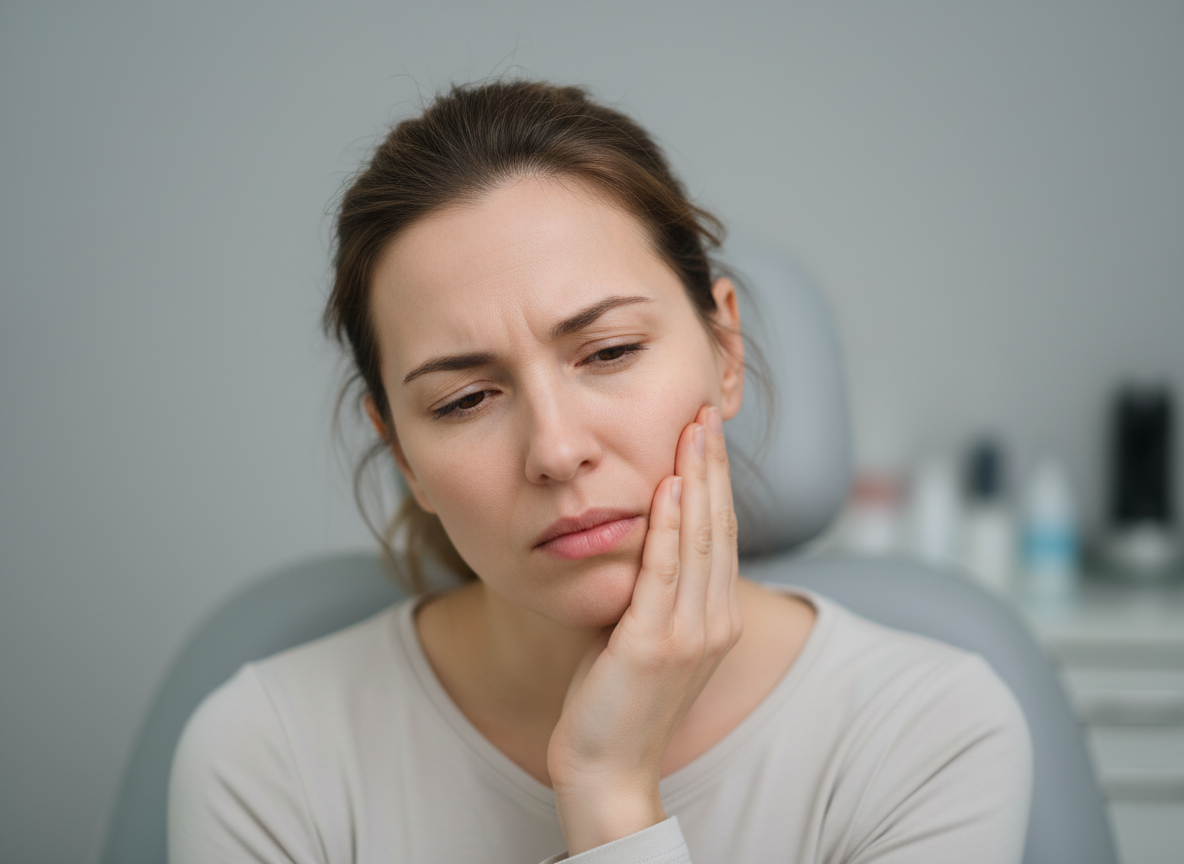
Jaw pain is a common complaint that affects millions of people worldwide. Experiencing pain on one side of the jaw can be alarming, especially if it comes suddenly or is severe. Jaw pain can range from a dull ache to sharp, stabbing sensations and may interfere with everyday activities like eating, talking, or even sleeping. Understanding the underlying causes and knowing how to manage them is essential for maintaining oral and overall health.
There are numerous reasons why you might experience jaw pain on one side. It could be due to dental problems, temporomandibular joint disorders (TMJ), muscle strain, or even more serious conditions such as heart problems in rare cases. Identifying the exact cause can be challenging without a proper evaluation. This article will explore the various causes, symptoms, diagnostic methods, treatments, and preventive measures for jaw pain on one side, helping you gain clarity and take the right action.
What Is Jaw Pain?
Why Does My Jaw Hurt on One Side refers to discomfort, soreness, or pain in the area around the jaw, which includes the lower jaw (mandible), upper jaw (maxilla), and the joints and muscles surrounding it. Pain can vary in intensity and may be constant, intermittent, or triggered by movement such as chewing or talking.
Jaw pain may also radiate to nearby areas, including the ear, neck, and head, sometimes making it difficult to pinpoint the exact source.
Why Jaw Pain on One Side Is Common
Experiencing jaw pain on one side is relatively common and often results from uneven muscle strain, dental issues, or localized joint problems. Unlike pain that affects both sides, one-sided jaw pain usually indicates a specific underlying cause rather than general inflammation or systemic illness.
Common Causes of Jaw Pain on One Side
Jaw pain on one side can stem from several factors. Understanding these causes can help in seeking appropriate treatment.
Temporomandibular Joint Disorders (TMJ/TMD)
Temporomandibular joint disorders affect the joint connecting your jaw to your skull. TMJ disorders often cause one-sided pain, especially if the joint is inflamed, damaged, or misaligned.
Symptoms may include:
-
Clicking or popping sounds when opening the mouth
-
Difficulty opening or closing the mouth
-
Facial tenderness or swelling
Risk factors: Stress, teeth grinding, misaligned bite, or arthritis.
Dental Problems
Dental issues are a leading cause of jaw pain. Problems such as tooth decay, abscesses, impacted wisdom teeth, or gum infections can trigger pain that radiates to one side of the jaw.
Symptoms include:
-
Pain when chewing or biting
-
Swelling or redness in the gums
-
Sensitivity to hot or cold foods
Ignoring dental problems can worsen the pain and lead to serious complications.
Sinus Infections
Sinus infections, particularly in the maxillary sinuses near the upper jaw, can cause one-sided jaw pain. This is often accompanied by nasal congestion, facial pressure, and headache.
Tips for relief:
-
Steam inhalation
-
Saline nasal sprays
-
Consulting a doctor for antibiotic treatment if bacterial
Injury or Trauma
Jaw pain on one side may also result from injury, such as a fall, blow to the face, or whiplash. Trauma can lead to fractures, dislocations, or bruising of jaw muscles and joints.
Symptoms include:
-
Swelling and bruising
-
Difficulty moving the jaw
-
Misaligned bite
Muscle Strain or Teeth Grinding (Bruxism)
Bruxism, the involuntary grinding of teeth, often during sleep, can strain jaw muscles and cause pain on one side. Stress, anxiety, and abnormal bite alignment are common triggers.
Signs of bruxism:
-
Worn or chipped teeth
-
Morning jaw pain
-
Headaches or earaches
Other Medical Conditions
Jaw pain may sometimes indicate serious health issues:
-
Heart attack: Pain may radiate to the jaw, especially the left side, along with chest discomfort.
-
Trigeminal neuralgia: A nerve disorder causing sharp, shooting pain in the jaw.
-
Arthritis: Osteoarthritis or rheumatoid arthritis can affect jaw joints.
Symptoms Associated With Jaw Pain
Pain Characteristics
Jaw pain may vary based on the cause:
-
Dull ache – often due to TMJ disorder or muscle strain
-
Sharp or stabbing pain – may indicate nerve-related issues
-
Throbbing pain – associated with infections or dental abscesses
Associated Symptoms
Jaw pain can also come with additional symptoms, helping identify the cause:
-
Headache or migraine
-
Ear ringing or fullness
-
Swelling or tenderness around the jaw
-
Difficulty chewing or opening the mouth fully
Diagnosis of Jaw Pain on One Side
Proper diagnosis is critical to effective treatment. Doctors and dentists may use a combination of history, physical examination, and tests.
Medical History and Physical Examination
A doctor will ask about:
-
Onset, duration, and severity of pain
-
Associated symptoms
-
Recent injuries or dental problems
Physical examination involves checking jaw movement, joint sounds, and tenderness.
Imaging Tests
Imaging helps identify structural issues:
-
X-rays – to detect fractures or dental problems
-
MRI – to visualize soft tissues, muscles, and ligaments
-
CT scans – for detailed bone structure evaluation
Dental Evaluation
Dentists may perform:
-
Oral examination for tooth decay, abscesses, or gum disease
-
Bite analysis for TMJ alignment
-
Referral to specialists if necessary
Treatment Options
Treatment depends on the underlying cause. A combination of home remedies, medications, dental care, and in some cases, surgery may be needed.
Home Remedies and Self-Care
-
Apply warm or cold compress to reduce pain and swelling
-
Practice jaw relaxation exercises
-
Avoid hard or chewy foods
-
Maintain good posture to reduce muscle strain
Medications
Depending on the cause, medications may include:
-
Pain relievers: Acetaminophen, ibuprofen
-
Muscle relaxants: For jaw tension
-
Antibiotics: For bacterial infections
-
Anti-inflammatories: To reduce swelling in TMJ or sinus infections
Dental Treatments
-
Root canal or extraction for infected teeth
-
Orthodontic treatment for bite misalignment
-
Night guards for bruxism
Surgical Options
Rarely, surgery may be needed for:
-
Severely damaged TMJ
-
Jaw fractures or dislocations
-
Persistent nerve pain
Preventing Jaw Pain
Prevention focuses on reducing strain, maintaining oral health, and addressing underlying causes.
Lifestyle Adjustments
-
Reduce stress and anxiety
-
Avoid chewing gum excessively
-
Practice jaw relaxation techniques
Dietary Tips
-
Eat soft foods during flare-ups
-
Avoid chewy or hard foods
-
Maintain hydration to support joint health
Exercise and Jaw Relaxation Techniques
-
Gentle jaw stretching exercises
-
Neck and shoulder stretches to reduce muscle tension
-
Mindful jaw positioning (keeping teeth slightly apart at rest)
When to See a Doctor
Seek medical attention if:
-
Pain is severe or persistent
-
Associated with swelling, fever, or difficulty opening the mouth
-
Pain radiates to the chest, arm, or neck (possible heart issue)
-
Dental infection symptoms appear, such as pus or bad taste
Early diagnosis prevents complications and ensures effective treatment.
Conclusion
Jaw pain on one side is a common but often distressing issue. Causes range from temporomandibular joint disorders, dental problems, sinus infections, muscle strain, or injury to more serious conditions like nerve disorders or heart issues. Understanding the symptoms, causes, and treatment options is crucial for proper care.
Home remedies, lifestyle adjustments, medications, and dental treatments often provide relief, while early medical evaluation ensures that serious underlying causes are not missed. By following preventive measures and seeking timely help, most individuals can manage or completely alleviate jaw pain.
FAQs
1. Why does my jaw hurt on one side when I wake up?
Jaw pain in the morning is often caused by bruxism (teeth grinding) or sleeping in a tense position. A night guard or stress reduction techniques may help.
2. Can stress cause jaw pain on one side?
Yes, stress can lead to muscle tension and TMJ disorders, causing one-sided jaw pain.
3. Could my jaw pain be a heart problem?
Pain on the left side of the jaw, especially with chest discomfort, shortness of breath, or arm pain, may indicate a heart attack. Seek immediate medical help.
4. How long does jaw pain last?
The duration depends on the cause. TMJ disorders or muscle strain may last days to weeks, while infections or dental issues resolve after treatment.
5. Are home remedies effective for jaw pain?
Yes, applying warm compresses, jaw exercises, and avoiding hard foods can relieve mild jaw pain. However, persistent or severe pain requires professional evaluation.
6. Can dental problems cause jaw pain only on one side?
Absolutely. Tooth decay, abscesses, or impacted wisdom teeth often cause localized, one-sided jaw pain.