
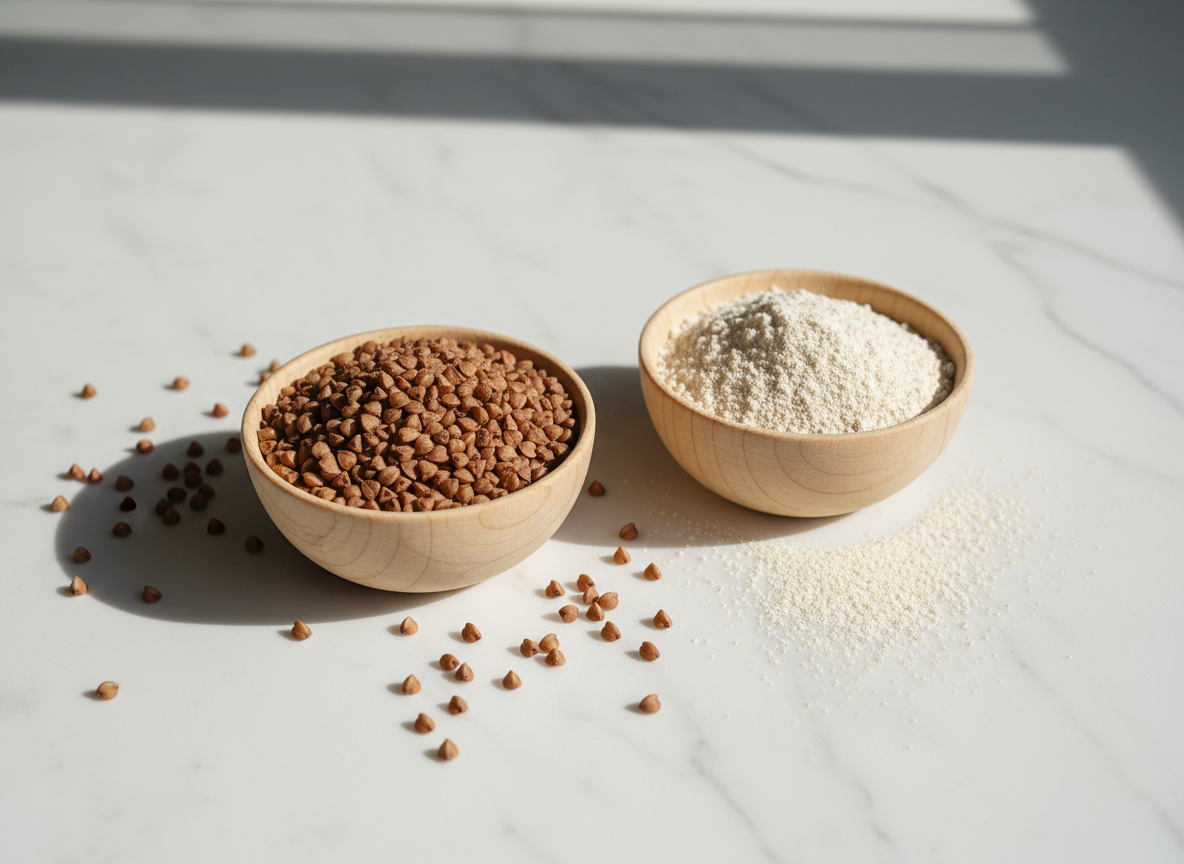
If you follow a gluten-free diet or have recently been diagnosed with celiac disease, one of the most common questions you might ask is: is buckwheat gluten free?
At first glance, the name itself can be confusing. Because it includes the word wheat, many people assume buckwheat contains gluten. In reality, this assumption is incorrect.
In this detailed guide, you’ll learn exactly what buckwheat is, whether it contains gluten, how safe it is for people with celiac disease, and how you can include it in a healthy gluten-free lifestyle.
What Is Buckwheat?
Buckwheat is a seed, not a grain. It comes from a flowering plant related to rhubarb and sorrel, which places it in a completely different plant family than wheat. Because it is used similarly to grains like rice or barley, buckwheat is classified as a pseudocereal.
Buckwheat has been eaten for centuries in many cultures, particularly in:
-
Eastern Europe
-
Russia
-
China
-
Japan
Today, it is widely used in gluten-free cooking due to its nutritional value and versatility.
Is Buckwheat Gluten Free?
Yes, buckwheat is naturally gluten free.
If you are asking is buckwheat gluten free, the simple and correct answer is yes. Buckwheat does not contain gluten proteins such as gliadin or glutenin, which are found in wheat, barley, and rye.
This makes buckwheat a safe option for people who must avoid gluten for medical or personal reasons.
Why Buckwheat Is Not Related to Wheat
The confusion around buckwheat comes entirely from its name. Despite what it sounds like, buckwheat has no botanical relationship to wheat.
The term “buckwheat” originated from its triangular seeds, which resemble beech nuts. Over time, the name stuck, even though the plant itself is unrelated to wheat.
Important clarification:
-
Buckwheat does not contain wheat
-
Buckwheat does not contain gluten
-
Buckwheat is not a grain
This misunderstanding is the main reason why the search term is buckwheat gluten is so popular.
Buckwheat vs Wheat: Key Differences
| Feature | Buckwheat | Wheat |
|---|---|---|
| Contains gluten | No | Yes |
| Plant type | Seed (pseudocereal) | Grain |
| Safe for celiac disease | Yes | No |
| Glycemic index | Lower | Higher |
| Protein quality | High | Moderate |
As the table shows, buckwheat is a completely different food from wheat in both structure and nutritional profile.
Is Buckwheat Safe for Celiac Disease?
Yes, pure buckwheat is safe for people with celiac disease.
Celiac disease is an autoimmune condition that requires strict, lifelong avoidance of gluten. Because buckwheat contains no gluten, it fits naturally into a celiac-safe diet.
However, safety depends on how buckwheat is processed. Some buckwheat products may be processed in facilities that also handle wheat, which can lead to cross-contamination.
Buckwheat and Gluten Sensitivity
People with non-celiac gluten sensitivity often experience symptoms such as bloating, fatigue, or digestive discomfort after eating gluten-containing foods.
For these individuals, buckwheat is generally very well tolerated. Since it contains no gluten, it does not trigger gluten-related symptoms. Many people switching to a gluten-free diet choose buckwheat as a replacement for wheat-based foods.
Nutritional Value of Buckwheat
Buckwheat is not only gluten free but also highly nutritious.
Key nutrients found in buckwheat:
-
High-quality plant protein
-
Dietary fiber
-
Magnesium
-
Iron
-
Zinc
-
Antioxidants such as rutin
Unlike many refined gluten-free products, buckwheat provides real nutritional benefits rather than empty calories.
Health Benefits of Buckwheat
Supports Heart Health
Buckwheat contains antioxidants that help support healthy blood circulation and may reduce cholesterol levels.
Helps Control Blood Sugar
Because buckwheat has a low to moderate glycemic index, it helps prevent sharp spikes in blood sugar. This makes it a good option for people with diabetes.
Improves Digestive Health
Its fiber content supports healthy digestion and promotes regular bowel movements.
Provides Complete Plant Protein
Buckwheat contains all essential amino acids, which is rare for plant-based foods.
Different Types of Buckwheat Products
Buckwheat is available in several forms, all of which are naturally gluten free when uncontaminated.
Whole Buckwheat Groats
These are raw or roasted seeds commonly used in porridge or salads.
Kasha
Roasted buckwheat groats with a nutty flavor, popular in Eastern European cuisine.
Buckwheat Flour
Used in gluten-free baking, pancakes, and bread.
Buckwheat Noodles
Often called soba noodles, though not all soba noodles are gluten free.
Is Buckwheat Flour Gluten Free?
Yes, 100% pure buckwheat flour is gluten free.
However, some commercial flours may be blended with wheat flour. Always read ingredient labels carefully and look for gluten-free certification if you have celiac disease.
Buckwheat Noodles and Soba: What to Watch For
Traditional soba noodles often contain a mix of buckwheat and wheat flour. This means not all soba noodles are gluten free, even though they contain buckwheat.
If you want gluten-free soba noodles:
-
Look for noodles made with 100% buckwheat
-
Check for certified gluten-free labeling
Risk of Gluten Cross-Contamination
The biggest risk with buckwheat is not gluten itself, but cross-contamination.
Cross-contamination can happen during:
-
Harvesting
-
Milling
-
Packaging
-
Transportation
To stay safe, especially if you have celiac disease, choose buckwheat products that are clearly labeled as gluten free.
How to Buy Safe Gluten-Free Buckwheat
When shopping for buckwheat:
-
Choose products labeled “Certified Gluten Free”
-
Avoid buying from bulk bins
-
Buy from trusted gluten-free brands
This reduces the risk of accidental gluten exposure.
How to Use Buckwheat in a Gluten-Free Diet
Buckwheat is very versatile and easy to use.
You can enjoy it as:
-
Breakfast porridge
-
Pancakes or crepes
-
Gluten-free bread
-
Grain bowls
-
Side dishes
It has a mild, nutty flavor that works well in both sweet and savory recipes.
Common Myths About Buckwheat
Buckwheat contains wheat
Fact: Buckwheat is not related to wheat
Buckwheat is unsafe for celiac disease
Fact: Pure buckwheat is safe
Buckwheat has low nutritional value
Fact: Buckwheat is rich in nutrients and antioxidants
Conclusion
So, is buckwheat gluten free?
Yes, it is completely gluten free by nature.
Buckwheat is a safe, nutritious, and versatile food for people with celiac disease, gluten sensitivity, or anyone looking for a healthy wheat alternative. The only thing to watch for is cross-contamination, which can be avoided by choosing certified gluten-free products.
If you are building a gluten diet that is both healthy and satisfying, buckwheat is an excellent choice.
FAQs
Is buckwheat gluten free by nature?
Yes, buckwheat naturally contains no gluten.
Can people with celiac disease eat buckwheat?
Yes, as long as it is not cross-contaminated with gluten.
Is buckwheat flour gluten free?
Pure buckwheat flour is gluten free.
Why is buckwheat often confused with wheat?
Because of its name, not because of its ingredients.
Is buckwheat healthier than wheat?
For many people, especially those avoiding gluten, buckwheat can be a healthier option.